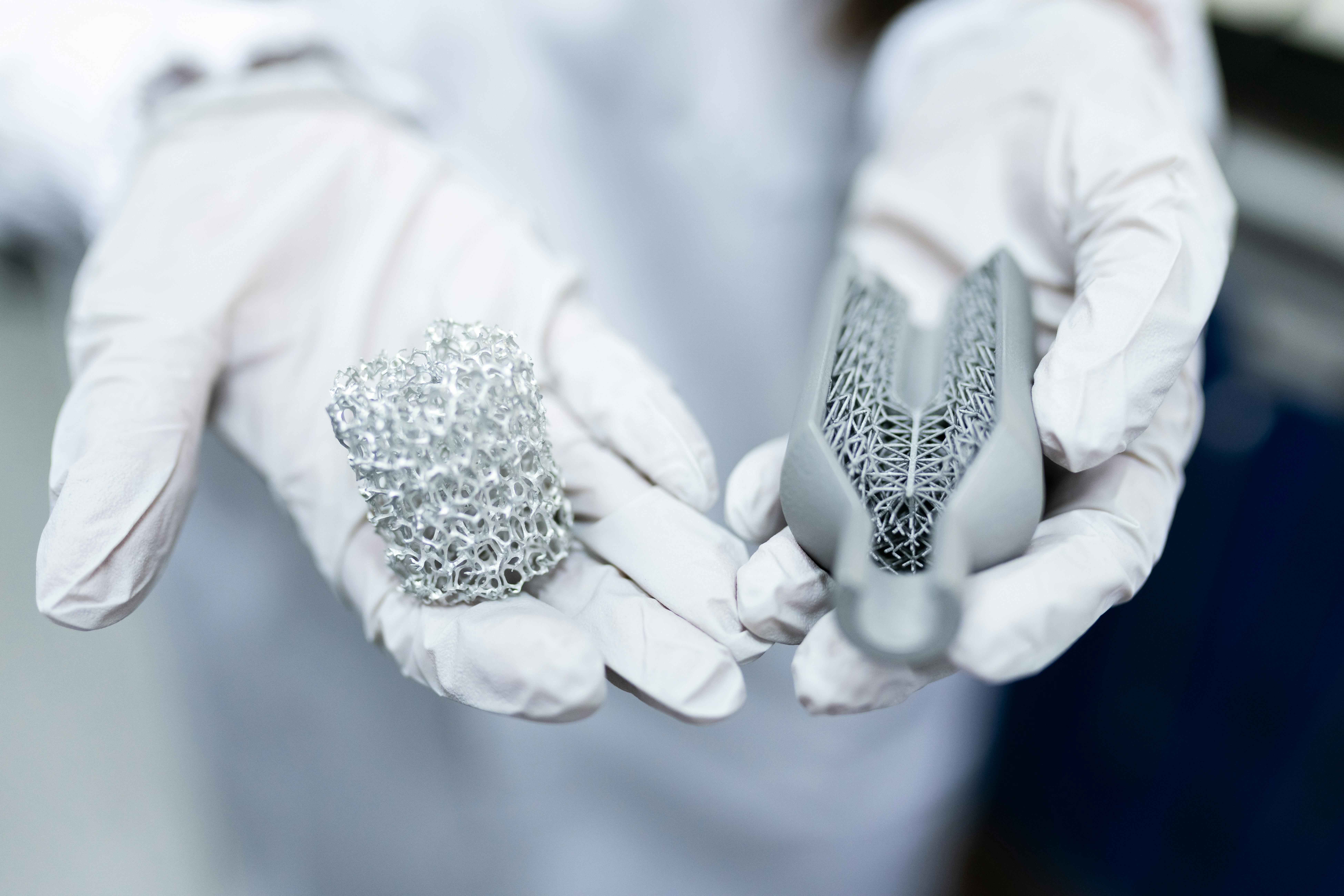
The energy landscape is undergoing a dramatic transformation as supercapacitors emerge as game-changing devices that promise to redefine how we store and deliver power. ⚡

While traditional batteries have dominated energy storage for decades, the emergence of supercapacitor technology and ultrafast charging capabilities represents a fundamental shift in our approach to powering everything from smartphones to electric vehicles. These revolutionary devices combine the high energy density of batteries with the rapid charge-discharge capabilities of conventional capacitors, creating a hybrid solution that addresses many limitations of current energy storage systems. As we face growing demands for sustainable, efficient, and rapid energy solutions, supercapacitors stand at the forefront of technological innovation, offering unprecedented possibilities for industries ranging from transportation to renewable energy integration.
Understanding the Supercapacitor Revolution
Supercapacitors, also known as ultracapacitors or electric double-layer capacitors (EDLCs), represent a distinct category of energy storage devices that operate on fundamentally different principles than traditional batteries. Unlike batteries that store energy through chemical reactions, supercapacitors store electrical charge physically at the interface between an electrode and an electrolyte. This physical storage mechanism enables remarkably fast charging and discharging cycles, often measured in seconds rather than hours.
The architecture of supercapacitors consists of two electrodes separated by an electrolyte and a separator membrane. When voltage is applied, ions from the electrolyte accumulate on the electrode surfaces, creating an electrical double layer with extremely high capacitance. This design allows supercapacitors to achieve power densities up to 10-100 times greater than conventional batteries, making them ideal for applications requiring rapid bursts of energy.
Key Advantages Over Traditional Battery Technology
The superiority of supercapacitors in specific applications stems from several distinctive characteristics that set them apart from lithium-ion and other conventional batteries:
- Ultrafast charging capabilities: Full charge cycles completing in 1-10 seconds compared to 30-60 minutes for batteries
- Extended lifecycle: Over one million charge-discharge cycles versus 500-1,000 for standard batteries
- Temperature resilience: Operational efficiency maintained from -40°C to +70°C
- Enhanced safety profile: No risk of thermal runaway or explosion due to physical rather than chemical storage
- Environmental sustainability: Fewer toxic materials and simpler recycling processes
- Predictable degradation: Linear capacity fade enabling accurate performance forecasting
Breaking Through Energy Density Barriers
Historically, the primary limitation preventing widespread supercapacitor adoption has been energy density—the amount of energy stored per unit volume or mass. Traditional supercapacitors achieve energy densities of 5-10 Wh/kg, significantly lower than lithium-ion batteries at 150-250 Wh/kg. However, recent breakthroughs in materials science are rapidly closing this gap.
Advanced electrode materials such as graphene, carbon nanotubes, and metal-organic frameworks (MOFs) have revolutionized supercapacitor performance. Graphene-based supercapacitors, for instance, have demonstrated energy densities exceeding 85 Wh/kg while maintaining the rapid charging characteristics inherent to the technology. These nanomaterials provide extraordinarily high surface areas—up to 2,630 m²/g for single-layer graphene—enabling more charge storage within compact form factors.
Hybrid Systems: The Best of Both Worlds
Recognizing that both batteries and supercapacitors have distinct advantages, researchers and engineers have developed hybrid energy storage systems that leverage the strengths of each technology. Lithium-ion capacitors (LICs) combine a battery-type anode with a supercapacitor cathode, achieving energy densities of 20-40 Wh/kg with power capabilities exceeding conventional batteries by factors of 5-10.
These hybrid configurations are particularly valuable in electric vehicle applications, where the battery provides baseline energy storage for range while the supercapacitor handles power-intensive operations like acceleration and regenerative braking. This division of labor extends battery lifespan while improving overall system efficiency by 15-25% in real-world driving conditions.
Ultrafast Charging: Redefining Consumer Expectations
Consumer tolerance for lengthy charging times represents a significant barrier to electric vehicle adoption and portable device satisfaction. Supercapacitor technology directly addresses this pain point by enabling charging speeds that fundamentally alter user experience and infrastructure requirements. 🔋
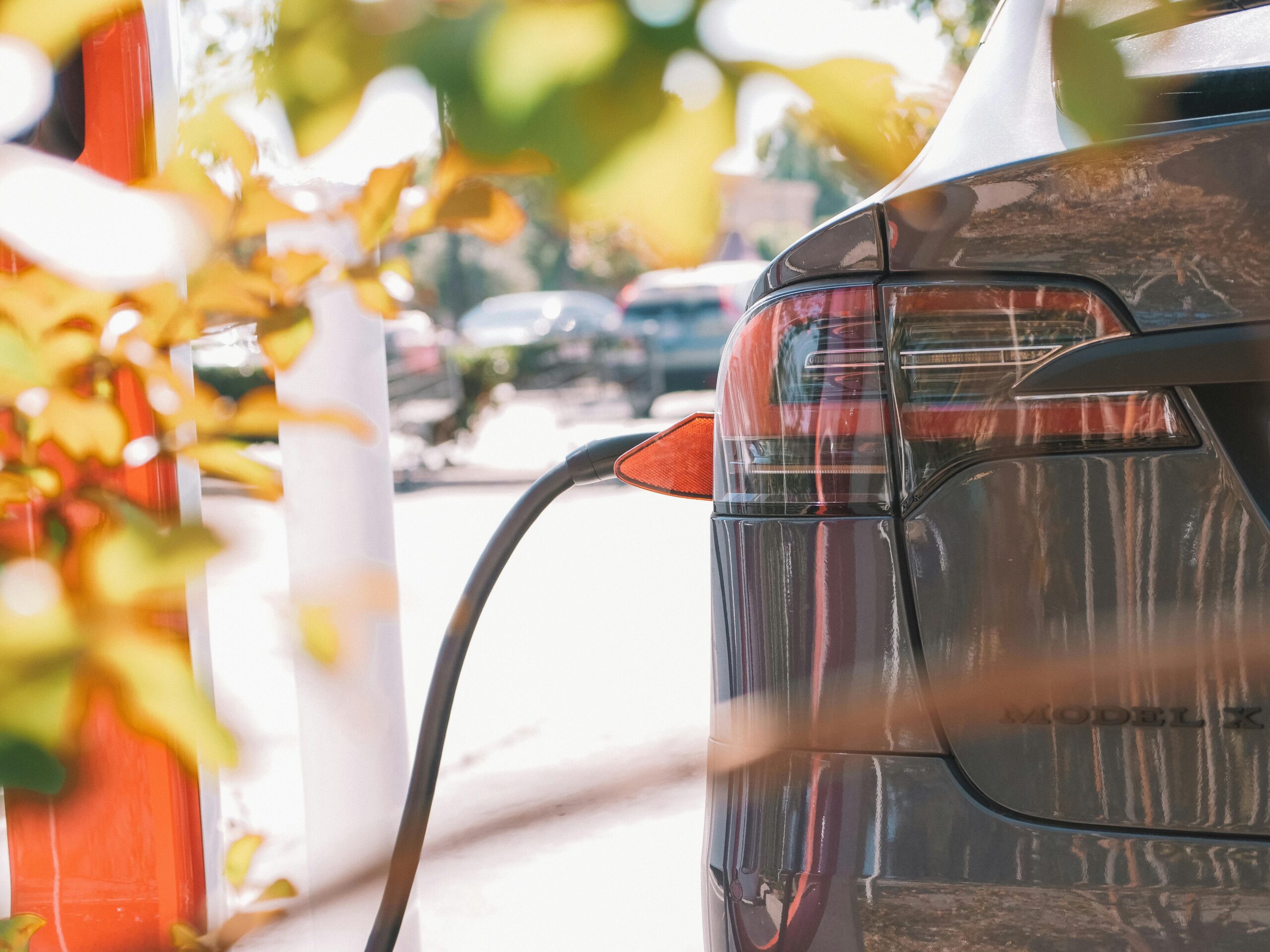
Current generation supercapacitor systems can achieve 80% charge capacity in under 30 seconds, with full charges completing in under two minutes. This performance opens entirely new paradigms for energy delivery infrastructure—imagine electric vehicle charging stations operating more like traditional gas pumps, with complete energy replenishment occurring during a brief stop rather than requiring extended parking durations.
Infrastructure Implications and Grid Integration
The rapid charge-discharge characteristics of supercapacitors create both opportunities and challenges for electrical grid infrastructure. On one hand, ultrafast charging demands require substantial instantaneous power delivery that could strain existing distribution networks. A single ultrafast charging station serving multiple vehicles simultaneously might require several megawatts of power capacity.
However, supercapacitors themselves provide solutions to these challenges through strategic deployment as grid-level energy buffers. By storing energy during low-demand periods and releasing it rapidly during charging events, supercapacitor arrays smooth power demand profiles and reduce infrastructure strain. Several pilot programs in Europe and Asia have demonstrated 40-60% reductions in peak grid load through intelligent supercapacitor integration.
Transportation Applications Driving Innovation
The transportation sector represents the most significant market opportunity for supercapacitor technology, with applications spanning personal vehicles, public transit, and specialized industrial equipment. Each application category leverages different aspects of supercapacitor advantages while addressing specific operational challenges.
Electric Vehicles and Automotive Integration
Modern electric vehicles increasingly incorporate supercapacitors to complement lithium-ion battery packs. The primary applications include:
- Regenerative braking systems: Capturing kinetic energy during deceleration with 90-95% efficiency
- Power assist during acceleration: Providing instantaneous high-current delivery without battery stress
- Cold weather starting: Ensuring reliable performance in extreme temperatures where batteries struggle
- Voltage stabilization: Maintaining consistent power delivery during variable demand conditions
Automotive manufacturers including Lamborghini, Mazda, and PSA Group have already implemented supercapacitor systems in production vehicles. Lamborghini’s Sián FKP 37 employs a supercapacitor system weighing just 34 kg that delivers three times the power of an equivalent lithium-ion battery while weighing three times less.
Public Transportation Transforming Urban Mobility
Public transit systems present ideal conditions for supercapacitor deployment due to predictable routes with frequent stops enabling opportunity charging. Electric buses equipped with supercapacitors can recharge in 20-30 seconds at designated stops, eliminating the need for large battery packs and their associated weight, cost, and maintenance requirements.
Cities including Geneva, Hamburg, and Shanghai have deployed supercapacitor-powered buses with remarkable success. Geneva’s TOSA (Trolleybus Optimisation Système Alimentation) system demonstrates the technology’s viability, with buses completing entire routes through brief 15-second charges at select stations. This approach reduces vehicle weight by 2-3 tons compared to battery-electric buses, decreasing road wear and energy consumption while increasing passenger capacity.
Renewable Energy Storage and Grid Stabilization
The intermittent nature of renewable energy sources like solar and wind creates significant challenges for grid stability and energy availability. Supercapacitors provide crucial bridging capabilities that smooth power delivery and enhance renewable integration efficiency. 🌞
Solar and wind installations experience rapid fluctuations in output due to changing environmental conditions—passing clouds, wind gusts, or sudden calm periods. These variations create voltage and frequency instabilities that can damage sensitive equipment or trigger protective shutdowns. Supercapacitor arrays respond within milliseconds to compensate for these fluctuations, maintaining power quality while allowing renewable sources to contribute maximum generation to the grid.
Frequency Regulation and Peak Shaving
Grid operators continuously balance electricity supply and demand to maintain stable frequency—typically 50 or 60 Hz depending on regional standards. Even minor deviations can cause equipment damage or cascade failures leading to blackouts. Supercapacitors excel at frequency regulation services, responding 10-100 times faster than conventional generation assets like natural gas peaker plants.
The economic value of this rapid response is substantial. Grid operators in deregulated markets pay premium rates for fast-responding frequency regulation resources. Supercapacitor installations can generate revenue streams exceeding $100,000 per megawatt annually while simultaneously reducing reliance on fossil fuel generators maintained solely for grid stability services.
Consumer Electronics and Portable Devices
While large-scale applications dominate current supercapacitor deployment, consumer electronics represent an enormous potential market as miniaturization advances and energy density improves. The prospect of smartphones, laptops, and wearables charging in seconds rather than hours would fundamentally transform user experience and device utility.
Several manufacturers have introduced supercapacitor-enhanced devices targeting specific use cases. Ruggedized industrial equipment, emergency lighting systems, and backup power supplies increasingly incorporate supercapacitor technology for enhanced reliability and reduced maintenance requirements. These applications prioritize the technology’s longevity and temperature tolerance over absolute energy density.
Wearable Technology and Medical Devices
Medical implants and wearable health monitors face unique constraints regarding size, weight, safety, and longevity. Supercapacitors address several critical challenges in these applications. Their stable chemistry eliminates risks associated with battery failures in implanted devices, while their cycle life exceeds patient lifespans, potentially eliminating the need for replacement surgeries.
Cardiac pacemakers, neurostimulators, and continuous glucose monitors under development incorporate micro-supercapacitors that harvest energy from body motion, temperature gradients, or external wireless charging. This approach extends device operational life from 5-10 years with battery technology to potential decades with supercapacitor power storage.
Manufacturing Advances and Cost Reduction
Commercial viability of any technology ultimately depends on manufacturing scalability and cost competitiveness. Supercapacitor production has benefited from decades of capacitor manufacturing expertise while introducing novel processes for advanced electrode materials and electrolyte formulations.
Current production costs for supercapacitors range from $5-20 per watt-hour depending on specifications and volume, significantly higher than lithium-ion batteries at $100-150 per kilowatt-hour. However, this comparison fails to account for lifecycle costs. When factoring in replacement frequency due to cycle life limitations, total cost of ownership often favors supercapacitors in high-cycle applications.
| Technology | Initial Cost ($/kWh) | Cycle Life | Cost per Cycle ($/kWh) |
|---|---|---|---|
| Lead-Acid Battery | 150 | 500 | 0.30 |
| Lithium-Ion Battery | 200 | 2,000 | 0.10 |
| Supercapacitor | 10,000 | 1,000,000 | 0.01 |
Emerging Manufacturing Technologies
Advanced manufacturing techniques promise further cost reductions and performance improvements. Roll-to-roll printing processes adapted from newspaper production enable continuous fabrication of electrode materials at scales and costs impossible with batch processing. Laser ablation techniques create precise nanostructures that maximize surface area while minimizing material waste.
Bioderived electrode materials represent another promising avenue for cost reduction and environmental improvement. Activated carbon produced from agricultural waste, coconut shells, or even coffee grounds provides excellent electrochemical performance at a fraction of the cost of synthetic materials. These sustainable sources also reduce the technology’s environmental footprint while supporting circular economy principles.
Future Horizons: Next-Generation Developments
Research laboratories worldwide are pursuing breakthrough supercapacitor technologies that could eliminate remaining performance gaps with batteries while maintaining inherent advantages. These developments span materials science, device architecture, and systems integration approaches. 🚀
Pseudocapacitors represent one promising direction, utilizing fast reversible chemical reactions at electrode surfaces to achieve battery-like energy density with capacitor-like power delivery. Metal oxides such as ruthenium oxide and manganese oxide demonstrate remarkable performance, though cost and scalability challenges remain for precious metal variants.
Structural Energy Storage: The Ultimate Integration
Perhaps the most visionary application of supercapacitor technology involves structural integration—energy storage devices that simultaneously serve as load-bearing components in vehicles, buildings, or infrastructure. Carbon fiber composites embedded with supercapacitor functionality could form car body panels or aircraft fuselage sections that store energy while providing structural strength.
This paradigm eliminates the weight penalty typically associated with energy storage by having storage devices fulfill multiple functions. Early prototypes have demonstrated structural supercapacitors with energy densities of 30-40 Wh/kg while maintaining mechanical properties comparable to conventional structural materials. At scale, this approach could reduce electric vehicle weight by 20-30% while actually increasing total energy storage capacity.
Transforming Tomorrow’s Energy Landscape
The convergence of supercapacitor technology with ultrafast charging capabilities represents far more than incremental improvement to existing energy storage solutions. These innovations fundamentally challenge assumptions about how we generate, store, distribute, and consume electrical energy across virtually every sector of modern society.
As manufacturing scales increase and costs decline, supercapacitors will transition from niche applications to mainstream adoption, enabling new product categories and business models currently impossible with battery technology alone. The fusion of instant charging with extended cycle life creates value propositions that resonate across consumer, commercial, and industrial applications.
The journey toward sustainable, efficient, and responsive energy systems requires diverse technological solutions rather than single universal approaches. Supercapacitors and ultrafast charging technologies provide critical capabilities that complement batteries, fuel cells, and grid infrastructure, creating integrated systems greater than the sum of their parts. As we navigate the complex transition toward decarbonized energy systems, these revolutionary devices will undoubtedly power significant portions of our collective future. ⚡