
The global energy transition is accelerating, and hydrogen is emerging as a critical component in decarbonizing our energy systems. Blending hydrogen into existing natural gas networks represents a pragmatic pathway toward cleaner energy infrastructure.

As nations worldwide commit to net-zero emissions targets, the integration of hydrogen into gas pipelines offers an innovative solution that leverages existing infrastructure while reducing carbon footprints. This approach bridges the gap between our current fossil fuel dependency and a sustainable energy future, making it both economically viable and environmentally responsible.
🔋 Understanding Hydrogen Blending: The Basics
Hydrogen blending involves mixing hydrogen gas with natural gas in existing pipeline networks. This process allows energy providers to reduce the carbon intensity of gas supplies without requiring complete infrastructure overhauls. The concept is straightforward: by introducing clean-burning hydrogen into conventional gas streams, we can immediately lower greenhouse gas emissions from residential, commercial, and industrial applications.
Natural gas networks already span millions of kilometers globally, representing trillions of dollars in infrastructure investment. Rather than abandoning these assets, hydrogen blending maximizes their utility while progressively transitioning toward cleaner energy sources. The beauty of this approach lies in its incremental nature—networks can start with small hydrogen percentages and gradually increase concentrations as technology and regulations evolve.
The Chemistry Behind the Solution
When hydrogen burns, it produces only water vapor as a byproduct, making it an exceptionally clean fuel. Natural gas, primarily methane, releases carbon dioxide when combusted. By blending these gases, we effectively dilute the carbon content of the fuel mixture. Even modest hydrogen concentrations of 5-20% can significantly reduce overall emissions from gas consumption.
The molecular characteristics of hydrogen differ from methane, presenting both opportunities and challenges. Hydrogen molecules are smaller and lighter, affecting how the gas mixture behaves in pipelines, storage facilities, and end-use appliances. Understanding these properties is crucial for safe and effective implementation.
⚙️ Technical Considerations for Pipeline Integration
Integrating hydrogen into existing gas networks requires careful technical assessment. Pipeline materials, compression equipment, metering systems, and safety protocols all need evaluation to ensure compatibility with hydrogen-enriched gas streams.
Material Compatibility and Infrastructure Assessment
One primary concern is hydrogen embrittlement—a phenomenon where hydrogen atoms infiltrate metal structures, potentially compromising their integrity. Modern pipeline materials generally handle low-to-moderate hydrogen concentrations well, but older infrastructure may require upgrades or replacement. Steel alloys used in contemporary pipelines typically accommodate hydrogen blends up to 20% without significant modifications.
Comprehensive infrastructure audits identify vulnerable components such as valves, seals, and joints that may require replacement with hydrogen-compatible materials. These assessments ensure network safety and reliability while determining optimal blending percentages for specific systems.
Compression and Energy Density Challenges
Hydrogen possesses lower volumetric energy density than natural gas, meaning a cubic meter of hydrogen contains less energy than the same volume of methane. This difference affects pipeline capacity and energy delivery rates. Networks may require adjustments to compression ratios and flow rates to maintain consistent energy supply to consumers.
Compressor stations along pipelines need evaluation to ensure they can handle hydrogen-enriched gas mixtures efficiently. Some facilities may require equipment modifications or operational parameter adjustments to optimize performance with blended gases.
🌍 Environmental Benefits and Carbon Reduction Potential
The environmental case for hydrogen blending is compelling. Even conservative blending percentages yield measurable emissions reductions across entire gas networks, translating to significant carbon savings when implemented at scale.
Quantifying Emissions Reductions
A 10% hydrogen blend in a gas network can reduce carbon dioxide emissions by approximately 7% from combustion processes. While this may seem modest, applying this reduction across national gas grids represents millions of tons of avoided CO2 emissions annually. Countries with extensive gas networks stand to benefit substantially from widespread hydrogen integration.
These reductions compound as blending percentages increase. Advanced networks targeting 20-30% hydrogen content could achieve proportionally greater emissions savings, accelerating progress toward climate goals without disrupting energy security or affordability.
Beyond Carbon: Air Quality Improvements
Hydrogen combustion produces no particulate matter, sulfur oxides, or nitrogen oxides at the point of use—pollutants commonly associated with fossil fuel combustion that contribute to respiratory diseases and environmental degradation. Cleaner-burning hydrogen blends improve local air quality, particularly benefiting urban areas with high gas consumption.
This co-benefit extends the value proposition beyond climate change mitigation, addressing public health concerns and environmental justice issues in communities disproportionately affected by air pollution.
💼 Economic Viability and Market Dynamics
Economic considerations ultimately determine the pace and scale of hydrogen blending adoption. Cost structures, regulatory frameworks, and market incentives shape investment decisions by utilities, governments, and private sector stakeholders.
Cost Analysis: Infrastructure vs. New Build
Retrofitting existing pipelines for hydrogen blending typically costs a fraction of constructing dedicated hydrogen networks or alternative clean energy infrastructure. This economic advantage makes blending an attractive near-term strategy, particularly in regions with well-developed gas networks and limited renewable energy resources.
Capital expenditure requirements vary based on infrastructure age, condition, and desired hydrogen concentrations. Initial investments focus on safety upgrades, monitoring systems, and end-use appliance compatibility studies. These costs remain substantially lower than wholesale energy system transformations.
Hydrogen Production Economics
The viability of hydrogen blending hinges on affordable hydrogen production. Green hydrogen from renewable-powered electrolysis represents the most sustainable option but currently commands premium prices. Blue hydrogen from natural gas with carbon capture offers a transitional solution at intermediate costs. As production scales and technology advances, hydrogen prices continue declining, improving blending economics.
Government incentives, carbon pricing mechanisms, and renewable energy subsidies significantly impact hydrogen production costs. Policy environments that support clean hydrogen development accelerate economic competitiveness with conventional fossil fuels.
🏭 Industrial Applications and Sectoral Integration
Hydrogen blending extends beyond residential heating, offering decarbonization pathways for industrial processes, power generation, and transportation sectors that rely on gas networks.
Heavy Industry Decarbonization
Industries such as chemicals, refining, steel, and cement production consume substantial natural gas volumes for heat and feedstock. Hydrogen-enriched gas supplies reduce emissions from these hard-to-abate sectors without requiring complete process redesigns. Many industrial burners and furnaces tolerate hydrogen blends with minimal modifications, enabling immediate emissions reductions.
Progressive hydrogen integration prepares industrial facilities for eventual transitions to pure hydrogen or alternative clean energy sources, building technical expertise and operational experience incrementally.
Power Generation Flexibility
Gas-fired power plants provide essential grid flexibility, balancing variable renewable energy sources. Hydrogen blending allows these facilities to reduce carbon intensity while maintaining their crucial role in grid stability. Modern combined-cycle gas turbines increasingly accommodate hydrogen-enriched fuels, with manufacturers developing equipment capable of burning 100% hydrogen.
This flexibility supports renewable energy integration by providing reliable backup power during periods of low wind or solar generation, creating a complementary relationship between intermittent renewables and dispatchable hydrogen-enriched gas generation.
🔬 Innovation and Technology Development
Advancing hydrogen blending capabilities requires ongoing research, development, and demonstration projects that push technical boundaries and prove commercial viability.
Smart Monitoring and Control Systems
Sophisticated sensor networks and control systems enable precise hydrogen concentration management throughout pipeline networks. Real-time monitoring ensures safety, optimizes blending ratios, and maintains gas quality standards. Digital technologies including artificial intelligence and machine learning enhance operational efficiency and predictive maintenance capabilities.
These smart systems provide operators with unprecedented visibility into network conditions, enabling proactive management of hydrogen-enriched gas flows and rapid response to anomalies or optimization opportunities.
Material Science Breakthroughs
Research into advanced materials produces pipeline components, seals, and coatings specifically designed for high hydrogen concentrations. These innovations extend infrastructure lifespan, reduce maintenance requirements, and enable higher blending percentages safely. Composite materials, specialized alloys, and protective coatings represent frontier technologies expanding hydrogen integration possibilities.
🌐 Global Implementation: Case Studies and Lessons Learned
Multiple countries and regions have launched hydrogen blending initiatives, generating valuable insights and demonstrating practical feasibility across diverse contexts.
European Leadership in Hydrogen Integration
The European Union has positioned hydrogen as central to its energy transition strategy. Countries including Germany, the Netherlands, and the United Kingdom operate demonstration projects blending hydrogen into gas networks at varying scales. These initiatives test different blending percentages, infrastructure configurations, and regulatory approaches.
Germany’s energy network operators have successfully demonstrated 20% hydrogen blending in regional gas grids, proving technical feasibility while gathering operational data. The Netherlands focuses on industrial clusters where concentrated gas consumption justifies dedicated hydrogen infrastructure alongside network blending.
North American Hydrogen Initiatives
In North America, utilities in California, Quebec, and several U.S. states pilot hydrogen blending projects. These efforts explore compatibility with diverse climate conditions, infrastructure vintages, and regulatory environments. Canadian provinces with substantial natural gas resources view hydrogen production and blending as opportunities to transition fossil fuel industries toward sustainable energy futures.
California’s ambitious climate goals drive innovation in hydrogen technologies, with utilities testing blending in urban distribution networks and industrial supply chains. These projects inform regulatory development and industry standards nationwide.
Asia-Pacific Hydrogen Ambitions
Japan, South Korea, and Australia pursue aggressive hydrogen strategies driven by energy security concerns and decarbonization commitments. Japan imports hydrogen for blending trials in metropolitan gas networks, testing appliance compatibility and consumer acceptance. Australia leverages abundant renewable resources to produce export-oriented green hydrogen while exploring domestic blending opportunities.
⚖️ Regulatory Frameworks and Safety Standards
Effective regulations balance innovation encouragement with safety assurance, creating confidence among stakeholders while protecting public welfare and environmental integrity.
Developing Hydrogen-Specific Regulations
Traditional natural gas regulations require adaptation for hydrogen-enriched networks. Gas quality standards, pipeline safety codes, and appliance certification processes need updating to address hydrogen’s unique properties. Regulatory agencies worldwide collaborate on harmonized standards that facilitate international trade and technology transfer while ensuring local safety requirements.
Progressive regulatory frameworks establish clear blending limits, monitoring requirements, and liability structures that provide certainty for infrastructure investments while maintaining flexibility for technological advancement.
Safety Protocols and Public Confidence
Hydrogen safety protocols build on extensive experience from industrial hydrogen applications. While hydrogen possesses different flammability characteristics than natural gas, properly designed systems manage risks effectively. Leak detection systems, ventilation requirements, and emergency response procedures specifically address hydrogen properties.
Public education campaigns explain safety measures and benefits, building community acceptance essential for widespread deployment. Transparent communication about risks, mitigation strategies, and monitoring systems fosters trust in hydrogen blending initiatives.
🔮 Future Pathways: Scaling Toward 100% Hydrogen
Hydrogen blending represents an intermediate step toward potentially pure hydrogen networks in the long term. Strategic planning ensures current investments align with ultimate decarbonization goals.
Incremental Transition Strategies
Successful hydrogen integration follows staged approaches that progressively increase concentrations as technology matures, costs decline, and infrastructure adapts. Initial phases focus on achievable blending percentages of 5-20%, establishing operational experience and identifying optimization opportunities. Subsequent phases target higher concentrations as end-use equipment evolves and dedicated hydrogen production scales.
This gradualism manages risks, spreads costs over time, and allows coordinated evolution across production, transmission, distribution, and consumption systems. Patient, persistent progress proves more sustainable than disruptive transformations that strain resources and stakeholder acceptance.
Complementary Clean Energy Systems
Hydrogen blending functions most effectively within integrated clean energy systems combining renewable electricity, battery storage, hydrogen production and storage, and efficient end-use technologies. This systems perspective recognizes that no single solution addresses all decarbonization challenges—diverse, coordinated approaches deliver optimal outcomes.
Hydrogen’s role varies by application, geography, and timeframe. In some contexts, electrification proves more efficient; in others, hydrogen offers unique advantages. Strategic planning identifies optimal technology deployments that maximize emissions reductions, economic efficiency, and energy security simultaneously.
🚀 Accelerating Deployment: Policy Recommendations
Realizing hydrogen blending’s potential requires supportive policies that mobilize investment, accelerate innovation, and coordinate stakeholders across complex energy systems.
Governments should establish clear hydrogen strategies with measurable targets, timelines, and accountability mechanisms. Financial incentives including tax credits, grants, and loan guarantees reduce investment risks during early deployment phases. Carbon pricing mechanisms that reflect environmental costs improve hydrogen economics relative to fossil alternatives.
Public-private partnerships leverage strengths of both sectors—government patient capital and regulatory authority combined with private sector innovation and operational efficiency. Collaborative research programs advance critical technologies while demonstration projects prove commercial viability and generate operational learnings.
International cooperation harmonizes standards, facilitates technology transfer, and creates hydrogen markets that achieve economies of scale. Climate challenges transcend borders; coordinated global action accelerates solutions benefiting all nations.
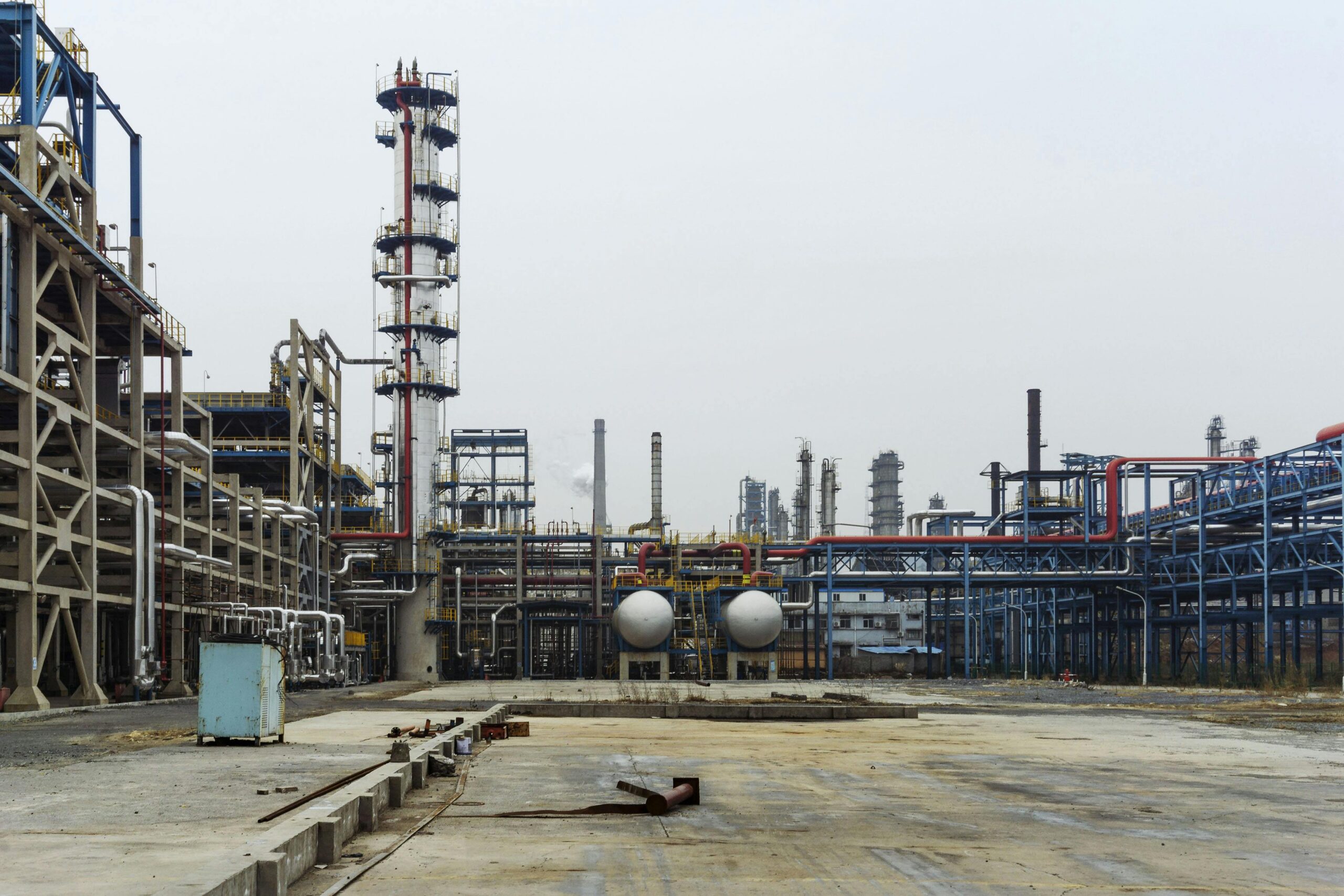
💡 Empowering the Hydrogen Economy
Hydrogen blending in gas networks represents pragmatic climate action that begins immediately with existing infrastructure while building toward transformative long-term change. This approach balances urgency with practicality, delivering emissions reductions today while establishing foundations for deeper decarbonization tomorrow.
Success requires coordinated efforts across technology development, infrastructure investment, regulatory evolution, and public engagement. The pathway is challenging but achievable, offering substantial environmental benefits alongside economic opportunities in emerging hydrogen industries.
As we power the future with cleaner energy, hydrogen blending demonstrates that sustainability and practicality need not conflict. By unlocking the potential within pipelines already beneath our streets, we accelerate the energy transition while maintaining reliability and affordability that societies depend upon. The hydrogen economy is not a distant dream—it is being built today, one pipeline blend at a time.