The convergence of solar energy technology with agriculture and water management is creating unprecedented opportunities for sustainable development. Innovative systems like floating solar panels and agrivoltaic installations are transforming how we produce clean energy while addressing food security and land use challenges.

As the world grapples with climate change and the urgent need for renewable energy sources, these dual-purpose solutions are emerging as game-changers. By combining energy production with farming or utilizing water surfaces for solar installations, we’re witnessing a revolutionary approach that maximizes resource efficiency and environmental benefits.
🌊 Floating Solar: Maximizing Water Surface Potential
Floating photovoltaic systems, commonly known as floating solar or “floatovoltaics,” represent one of the most innovative developments in renewable energy infrastructure. These installations consist of solar panels mounted on buoyant structures that float on bodies of water such as reservoirs, lakes, irrigation ponds, and even wastewater treatment facilities.
The concept addresses one of solar energy’s most significant challenges: land scarcity. With global population growth increasing pressure on available land for housing, agriculture, and industry, floating solar offers an elegant solution by utilizing otherwise underused water surfaces.
The Technical Advantages of Water-Based Solar Installations
Floating solar systems deliver several performance benefits compared to traditional ground-mounted installations. The cooling effect of water beneath the panels significantly improves their efficiency, as photovoltaic cells operate more effectively at lower temperatures. Studies indicate that floating solar panels can achieve efficiency gains of 5-10% compared to their land-based counterparts.
Water surfaces also tend to have fewer shading obstacles like trees or buildings, ensuring consistent sunlight exposure throughout the day. Additionally, the reflective properties of water can enhance light capture, further boosting energy generation.
Environmental Benefits Beyond Clean Energy Production
The environmental advantages of floating solar extend well beyond renewable electricity generation. These systems create shade over water bodies, significantly reducing evaporation rates—a critical benefit in drought-prone regions where water conservation is paramount. Research suggests that floating solar installations can reduce evaporation by up to 70% in covered areas.
The shading effect also helps control algae growth by limiting sunlight penetration into the water. This improves water quality and reduces the need for chemical treatments in reservoirs and irrigation systems. Furthermore, floating solar installations on hydroelectric reservoirs create synergies with existing renewable energy infrastructure, enabling hybrid systems that provide more stable power output.
🌾 Agrivoltaics: Where Solar Energy Meets Agriculture
Agrivoltaic systems, also called agrophotovoltaics or solar sharing, integrate solar panels with agricultural land use. This innovative approach involves mounting solar panels at heights and configurations that allow farming activities to continue beneath them, creating a symbiotic relationship between energy production and food cultivation.
The concept challenges the traditional assumption that solar farms and agriculture compete for the same land. Instead, agrivoltaics demonstrate that these two essential activities can coexist and even enhance each other’s performance.
Optimizing Dual Land Use for Maximum Productivity
Agrivoltaic installations are designed with agriculture in mind. Solar panels are typically elevated 2-5 meters above ground level, with spacing between panel rows sufficient for farming equipment to operate. The panels can be mounted on adjustable or tracking systems that optimize both crop growth and energy production.
This dual-use approach achieves remarkable land use efficiency. Studies have shown that agrivoltaic systems can produce 60-70% of the energy output of conventional solar farms while maintaining 80-90% of agricultural productivity—resulting in combined land productivity exceeding 160% compared to single-use scenarios.
Microclimate Benefits for Crop Performance
The partial shading provided by solar panels creates a modified microclimate beneath them that can actually benefit certain crops. The shade reduces water evaporation from soil and plant surfaces, decreasing irrigation requirements by up to 30% in some cases. This water conservation benefit becomes increasingly valuable as climate change intensifies drought conditions globally.
For heat-sensitive crops like lettuce, tomatoes, and certain berry varieties, the cooler conditions under solar panels can extend growing seasons and improve yield quality. The panels also provide protection from extreme weather events such as hail, intense sun, and heavy rain, reducing crop damage and loss.
💡 Economic Viability and Return on Investment
Both floating solar and agrivoltaic systems require higher initial capital investments compared to conventional ground-mounted solar installations. However, their unique benefits often justify these additional costs through enhanced returns and multiple revenue streams.
Cost Considerations for Floating Solar Projects
Floating solar systems typically cost 10-25% more than comparable ground-mounted installations due to specialized floating platforms, anchoring systems, and water-resistant electrical components. However, these additional costs are offset by several factors including increased energy production efficiency, elimination of land acquisition costs, and reduced civil engineering requirements.
Large-scale floating solar projects benefit from economies of scale, with megawatt-scale installations in Asia demonstrating competitive levelized costs of energy. Countries like China, Japan, and South Korea have pioneered massive floating solar farms, with some installations exceeding 100 megawatts in capacity.
Revenue Diversification Through Agrivoltaics
Agrivoltaic systems offer farmers and landowners diversified income streams by combining agricultural revenue with long-term, stable income from electricity generation. This financial stability can be particularly valuable for farmers facing commodity price volatility and climate-related crop uncertainties.
The additional income from solar energy can help farms invest in improved agricultural practices, equipment upgrades, and sustainable farming technologies. Some agrivoltaic projects also incorporate grazing animals like sheep beneath the panels, adding another revenue dimension while providing natural vegetation management.
🌍 Global Implementation and Success Stories
Countries worldwide are embracing these innovative solar technologies, adapting them to local conditions and needs. Each region offers unique lessons about implementation strategies and optimal configurations.
Asia’s Leadership in Floating Solar Development
Asian nations have emerged as global leaders in floating solar deployment. China hosts the world’s largest floating solar installation in Huainan, built on a former coal mining site that had flooded, demonstrating how renewable energy can rehabilitate environmentally damaged areas. The facility generates 40 megawatts of clean electricity while transforming a liability into a productive asset.
Japan, with its limited land availability and extensive reservoir network, has aggressively pursued floating solar as a strategic energy solution. The country has hundreds of floating solar installations, ranging from small community projects to utility-scale facilities supplying thousands of homes.
European Innovation in Agrivoltaic Systems
European countries, particularly France, Germany, and Italy, have pioneered agrivoltaic research and deployment. French vineyards have experimented with solar panels that protect grape vines while generating electricity, creating premium wine production alongside clean energy.
German research institutions have conducted extensive studies on optimal panel configurations for different crop types, developing design guidelines that maximize both agricultural and energy outcomes. These insights are being applied in commercial installations across Europe and beyond.
⚙️ Technical Challenges and Engineering Solutions
Despite their promise, both floating solar and agrivoltaic systems face technical challenges that require ongoing innovation and engineering refinement.
Durability and Maintenance in Aquatic Environments
Floating solar installations must withstand unique environmental stresses including wave action, water level fluctuations, algae growth on floating structures, and corrosion from water exposure. Modern systems employ marine-grade materials, advanced coatings, and modular designs that facilitate maintenance and component replacement.
Anchoring systems must secure installations against wind and storms while accommodating seasonal water level changes that can exceed several meters in some reservoirs. Innovative mooring solutions use flexible anchoring points and floating cable management systems to address these challenges.
Optimizing Agrivoltaic Configurations
Designing effective agrivoltaic systems requires careful consideration of panel height, spacing, orientation, and transparency. These parameters must balance energy production with adequate light transmission for crop growth while allowing equipment access and airflow.
Advanced systems employ bifacial solar panels that capture light on both sides, semi-transparent panels that allow controlled light penetration, or dynamic tracking systems that adjust panel angles throughout the day to optimize both energy and agricultural outcomes.
🔬 Research Frontiers and Future Developments
The rapid evolution of floating solar and agrivoltaic technologies continues through academic research, industry innovation, and pilot project learnings. Several promising developments are shaping the future of these systems.
Smart Systems and AI Integration
Emerging agrivoltaic installations incorporate sensors, automation, and artificial intelligence to create responsive systems that adapt to changing conditions. Smart tracking systems can adjust panel angles based on crop growth stages, weather conditions, and energy demand, optimizing overall system performance.
Integrated monitoring systems track soil moisture, crop health indicators, and microclimate parameters, providing farmers with precision agriculture insights while managing energy production. These data-driven approaches are transforming agrivoltaics from passive infrastructure into active agricultural management tools.
Offshore Floating Solar Potential
Researchers are exploring offshore floating solar installations on ocean waters, which could unlock vast renewable energy potential. While technical challenges including saltwater corrosion, large waves, and marine ecosystem impacts remain significant, successful offshore floating solar could revolutionize renewable energy capacity in coastal nations.
Pilot projects in Belgium, Norway, and Singapore are testing offshore-ready floating solar technologies, developing solutions for the harsher marine environment. The potential to co-locate floating solar with offshore wind farms could create highly efficient multi-technology renewable energy zones.
🌱 Environmental Impact and Sustainability Considerations
While floating solar and agrivoltaic systems offer substantial environmental benefits, responsible implementation requires careful assessment of potential ecological impacts and thoughtful site selection.
Aquatic Ecosystem Considerations
Floating solar installations alter light conditions and water temperatures in covered areas, potentially affecting aquatic plants, fish populations, and ecosystem dynamics. Best practices recommend limiting coverage to 30-40% of water surface area to minimize ecological disruption while maintaining environmental benefits.
Environmental impact assessments should evaluate site-specific conditions including existing water quality, aquatic biodiversity, and ecosystem sensitivity before installation. Properly designed systems can actually improve habitat conditions by reducing thermal stress and algal blooms while providing shaded refuge areas for fish.
Biodiversity Enhancement Through Agrivoltaics
When thoughtfully implemented, agrivoltaic systems can enhance farm biodiversity by creating habitat diversity. The modified microclimates and structural complexity support different plant and animal communities compared to open fields, potentially benefiting pollinator populations and beneficial insects.
Some agrivoltaic projects intentionally incorporate native vegetation, wildflower strips, and pollinator-friendly plants beneath and around solar arrays, creating agricultural landscapes that support both food production and ecological health.
🚀 Policy Support and Market Growth Trajectories
Government policies and incentive programs play crucial roles in accelerating the adoption of floating solar and agrivoltaic technologies. Progressive regulatory frameworks are emerging worldwide to support these innovative systems.
Feed-in tariffs, tax incentives, and renewable energy mandates in various countries specifically recognize the additional benefits of floating solar and agrivoltaics, offering enhanced support compared to conventional solar installations. Research grants and demonstration project funding are advancing technological development and reducing implementation risks.
Market analysts project substantial growth for both technologies over the coming decade. The global floating solar market is expected to expand at compound annual growth rates exceeding 20%, while agrivoltaic installations are transitioning from experimental projects to commercial-scale deployments across multiple continents.
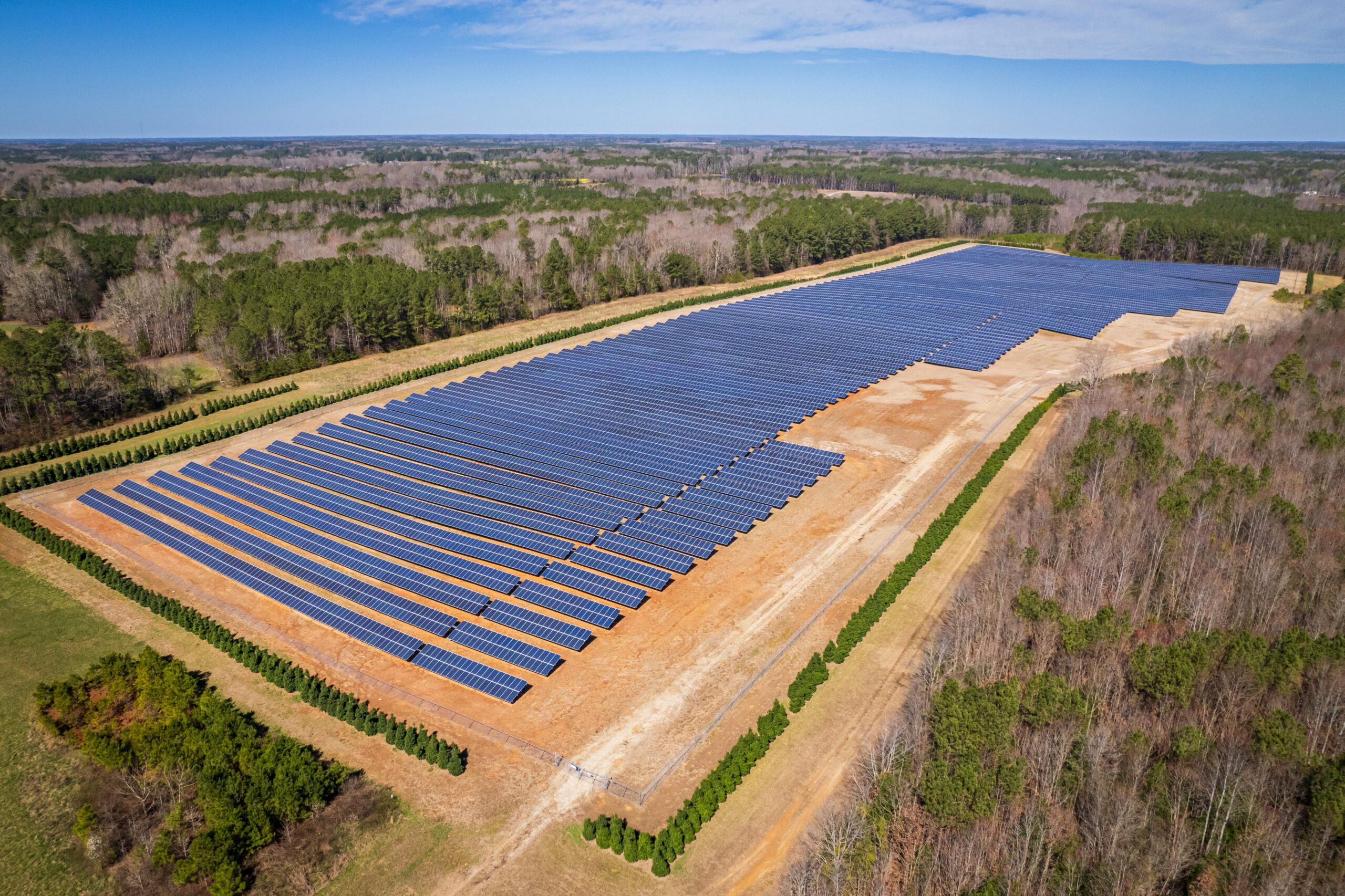
✨ The Synergistic Future of Renewable Energy and Sustainable Resource Management
Floating solar and agrivoltaic systems exemplify a paradigm shift in how we approach infrastructure development—moving from single-purpose facilities toward integrated systems that address multiple challenges simultaneously. These technologies demonstrate that energy production, food security, water conservation, and environmental protection need not compete but can instead reinforce each other.
As climate change intensifies resource pressures and the global population approaches 10 billion, such synergistic solutions become not merely advantageous but essential. The continued refinement and scaling of these technologies will play significant roles in achieving renewable energy targets while maintaining agricultural productivity and ecosystem health.
The success stories emerging from installations worldwide provide valuable blueprints for broader adoption. From Asian mega-projects demonstrating technical feasibility at scale to European innovations in agricultural integration, a growing knowledge base is reducing implementation barriers and accelerating deployment timelines.
Innovation in materials, smart systems integration, and design optimization continues to improve performance and reduce costs, making these technologies increasingly accessible to diverse communities and contexts. As the renewable energy transition accelerates globally, floating solar and agrivoltaic systems stand out as exemplary solutions that harness the sun’s power while respecting land, water, and agricultural needs—truly revolutionizing our approach to sustainable development. ☀️