
The solar energy industry is experiencing a groundbreaking transformation with innovative technologies that promise to reshape how we capture sunlight and convert it into electricity.

Traditional solar panels have served us well for decades, but today’s energy demands require more sophisticated solutions. Bifacial and transparent solar modules are emerging as game-changers in the renewable energy landscape, offering unprecedented efficiency levels and opening new possibilities for solar integration in urban environments. These advanced technologies are not just incremental improvements—they represent a fundamental shift in solar power generation that could accelerate our transition to clean energy.
🔆 Understanding Bifacial Solar Technology: Double the Surface, Double the Potential
Bifacial solar modules represent a significant departure from conventional photovoltaic panels by capturing sunlight from both sides of the module. Unlike traditional monofacial panels that only utilize their front surface, bifacial technology harnesses reflected and diffused light from the rear side, dramatically increasing overall energy production.
The concept behind bifacial modules is elegantly simple yet remarkably effective. When installed properly, these panels can capture direct sunlight on their front surface while simultaneously collecting reflected light from surrounding surfaces—including ground albedo, nearby structures, and even snow coverage. This dual-sided approach can boost energy generation by 10% to 30% compared to conventional panels, depending on installation conditions and environmental factors.
Modern bifacial modules typically feature transparent backsheets or dual glass construction, allowing light to penetrate from behind. The photovoltaic cells are designed to be photoactive on both surfaces, converting photons into electricity regardless of which direction they arrive from. This bidirectional capability makes bifacial technology particularly valuable in locations with high ground reflectivity or where panels can be elevated to maximize rear-side exposure.
Installation Strategies That Maximize Bifacial Performance
The effectiveness of bifacial solar modules heavily depends on proper installation techniques. Ground-mounted systems with adequate clearance between the panel and the ground typically deliver the best results. A minimum height of 0.5 to 1.5 meters above reflective surfaces optimizes rear-side light capture while maintaining practical installation standards.
Vertical installations, such as solar fences or building-integrated applications, also benefit tremendously from bifacial technology. In these configurations, panels can capture morning sunlight on one side and afternoon light on the other, extending the peak production hours throughout the day. This characteristic makes bifacial modules ideal for agricultural applications, parking structures, and sound barriers along highways.
🪟 Transparent Solar Modules: Where Windows Meet Power Generation
Transparent solar technology represents perhaps the most visually striking innovation in photovoltaic development. These modules maintain varying degrees of transparency while generating electricity, effectively transforming windows, skylights, and glass facades into power-generating surfaces without completely sacrificing natural light transmission.
The technology typically employs one of several approaches: selective wavelength absorption, where the photovoltaic material captures specific light wavelengths invisible to human eyes while allowing visible light to pass through; micropatterned cells that create transparency through spacing between opaque solar cells; or organic photovoltaic materials with inherent semi-transparency characteristics.
Transparent solar panels typically achieve efficiency rates between 5% and 15%, significantly lower than conventional panels. However, their unique advantage lies not in peak efficiency but in their ability to generate power from previously unutilized surfaces. Every window in a skyscraper, every greenhouse panel, and every automotive sunroof becomes a potential energy generator without compromising their primary function.
Building Integration: The Future of Urban Solar Energy
The architectural applications of transparent solar modules are revolutionary. Building-integrated photovoltaics (BIPV) using transparent technology can transform entire structures into energy-generating assets. Architects and developers can now design aesthetically pleasing buildings that contribute to their own energy needs without the visual disruption of traditional rooftop solar installations.
Commercial buildings with extensive glass facades present particularly attractive opportunities. A typical office tower might have thousands of square meters of glass surface area that could be converted to semi-transparent solar modules. Even with modest conversion efficiencies, the sheer scale of available surface area can generate substantial power output, potentially covering 20% to 40% of a building’s energy consumption.
⚡ Combining Technologies: Bifacial and Transparent Innovations Working Together
The cutting edge of solar innovation doesn’t stop at developing these technologies separately. Researchers and manufacturers are now exploring hybrid approaches that combine bifacial capabilities with transparency characteristics. These advanced modules could capture light from multiple directions while maintaining partial transparency, offering even greater flexibility for architectural integration.
Bifacial transparent modules could serve as overhead canopies in courtyards, walkways, and transit stations, generating power from both direct sunlight and ground reflections while providing shade and allowing ambient light to filter through. Agricultural applications are particularly promising, where these modules could optimize the balance between crop photosynthesis needs and energy generation.
📊 Efficiency Metrics: Comparing Performance Across Solar Technologies
Understanding the performance characteristics of different solar technologies requires looking beyond simple efficiency percentages. The total energy yield, installation flexibility, aesthetic considerations, and lifecycle costs all contribute to determining the best solution for specific applications.
Bifacial modules typically achieve front-side efficiencies comparable to premium monofacial panels—ranging from 19% to 22%—while adding the bonus of rear-side generation. When calculating bifacial gain (the additional energy produced by the rear side), total system efficiency can reach effective rates of 25% to 28% under optimal conditions.
Transparent solar technology sacrifices raw efficiency for functionality in unique applications. While 10% efficiency might seem modest compared to conventional 20% panels, transparent modules generate power where no other solar option exists. The true metric becomes energy per square meter of available glass surface rather than comparison to rooftop installations.
Real-World Performance Data and Case Studies
Field deployments of bifacial technology have demonstrated impressive results worldwide. A large-scale solar farm in Chile reported 20% higher energy yield from bifacial installations compared to monofacial controls. Projects in snowy regions of northern Europe have recorded bifacial gains exceeding 30% during winter months when ground snow reflection is maximized.
Transparent solar installations, though less common, are beginning to provide valuable performance data. A commercial building in Detroit with BIPV transparent facades generates approximately 2,000 kWh annually per window, while a pilot greenhouse project in the Netherlands has successfully balanced crop yields with significant energy production from semi-transparent overhead modules.
💰 Economic Considerations: Investment Returns and Cost Trajectories
The financial case for advanced solar technologies continues to strengthen as manufacturing scales up and installation expertise grows. Bifacial modules currently command a premium of 5% to 15% over comparable monofacial panels, but this price differential is declining rapidly as production volumes increase and the technology becomes mainstream.
When evaluating bifacial investments, the relevant metric is cost per kilowatt-hour produced rather than upfront panel cost alone. The additional energy generation from bifacial technology typically delivers a payback period that’s 10% to 20% shorter than conventional systems, even accounting for the higher initial investment. In regions with favorable conditions—high albedo surfaces, optimal mounting configurations, or extended daylight hours—the economic advantage becomes even more compelling.
Transparent solar modules present a different economic equation. Their higher per-watt cost is offset by eliminating the need for conventional building materials. When transparent solar glass replaces standard architectural glass, the incremental cost narrows considerably. A comprehensive analysis must consider avoided material costs, potential HVAC savings from reduced solar heat gain, and the value of the electricity generated over the building’s lifetime.
🌍 Environmental Impact: Beyond Carbon Reduction
The environmental benefits of these advanced solar technologies extend beyond the obvious carbon emission reductions. Bifacial modules often utilize dual-glass construction, eliminating plastic backsheets and improving recyclability at end-of-life. The durability advantages of glass-on-glass construction also extend module lifespan, reducing replacement frequency and associated environmental impacts.
Transparent solar technology enables renewable energy generation without additional land use—a critical consideration as solar deployment scales globally. Every square meter of building-integrated transparent solar represents power generation that doesn’t require agricultural land conversion or natural habitat disruption. In densely populated urban areas where available land is scarce and expensive, this advantage becomes particularly significant.
Lifecycle Analysis and Sustainability Metrics
Comprehensive lifecycle assessments of bifacial modules indicate energy payback periods of 1.5 to 2.5 years, after which the systems generate net positive energy for their remaining 25 to 30-year operational life. The enhanced durability of glass-glass bifacial construction contributes to longer functional lifespans, improving the overall sustainability equation.
Transparent solar technologies, despite lower conversion efficiencies, demonstrate favorable lifecycle profiles when properly contextualized. Since these systems generate energy from surfaces that would otherwise produce zero power, even modest output represents a significant sustainability improvement over baseline scenarios.
🔬 Technological Advances Driving Future Performance
Research laboratories and commercial developers continue pushing the boundaries of what’s possible with bifacial and transparent solar technologies. Tandem cell structures combining different semiconductor materials promise to boost bifacial efficiency toward 30% for front-side conversion while maintaining excellent rear-side performance.
Transparent solar research is exploring perovskite materials, quantum dots, and advanced organic photovoltaics that could dramatically improve efficiency while maintaining high transparency. Some experimental designs have achieved 15% efficiency with 70% transparency—performance levels that could transform transparent solar from a niche application to a mainstream building material.
Smart coating technologies are emerging that dynamically adjust transparency levels based on sunlight intensity, temperature, or building energy needs. These adaptive systems could optimize the balance between natural lighting, solar heat gain management, and electricity generation throughout the day and across seasons.
🏗️ Installation Best Practices and Common Pitfalls
Successful deployment of advanced solar technologies requires understanding specific installation requirements that differ from conventional systems. Bifacial modules demand careful attention to mounting structure design, ensuring rear-side light access isn’t inadvertently blocked by overly-wide support rails or improperly spaced arrays.
Ground surface treatment beneath bifacial installations significantly impacts performance. White gravel, concrete, or specialized reflective ground covers can substantially boost bifacial gain compared to dark soil or asphalt. Some installations use white painted surfaces or even mirrors positioned strategically to maximize rear-side irradiance.
Transparent solar installations require collaboration between solar specialists, architects, and glazing contractors to ensure proper integration. Structural considerations, weatherproofing, electrical connections, and aesthetic coordination all require careful planning and execution to achieve successful building integration.
🚀 Market Trajectory and Adoption Trends
The global solar market is rapidly embracing these advanced technologies. Industry analysts project bifacial modules will account for over 50% of global solar panel production by 2025, up from approximately 30% in 2022. This explosive growth reflects both improving economics and increasing awareness of bifacial technology’s performance advantages.
Transparent solar technology, starting from a smaller base, is experiencing even faster percentage growth. The building-integrated photovoltaics market, driven largely by transparent solar applications, is expected to expand at compound annual growth rates exceeding 20% through the next decade. Regulatory incentives, green building certifications, and corporate sustainability commitments are all accelerating transparent solar adoption.
Major solar manufacturers are investing heavily in production capacity for these advanced technologies. Several gigawatt-scale manufacturing facilities dedicated to bifacial module production have come online recently, driving economies of scale that make the technology increasingly cost-competitive. Transparent solar production, though at smaller scale, is similarly expanding as demand grows.
💡 Making the Choice: Selecting the Right Technology for Your Application
Determining whether bifacial modules, transparent solar, or conventional panels best suit a particular application requires evaluating multiple factors. Ground-mounted and elevated installations with good albedo conditions are ideal candidates for bifacial technology. Rooftop installations may benefit from bifacial panels if the roof surface is reflective and mounting systems provide adequate clearance.
Transparent solar makes sense when architectural integration is paramount, existing glass surfaces are available, or maintaining sightlines is essential. Greenhouses, conservatories, building facades, skylights, and canopies represent ideal applications where transparent modules provide unique value that conventional panels cannot deliver.
For many projects, the optimal approach combines different technologies strategically. Rooftop areas might use high-efficiency bifacial panels, while facade integration employs transparent modules, maximizing energy generation across all available surfaces using the most appropriate technology for each location.
🌟 The Broader Impact: Transforming Energy Infrastructure
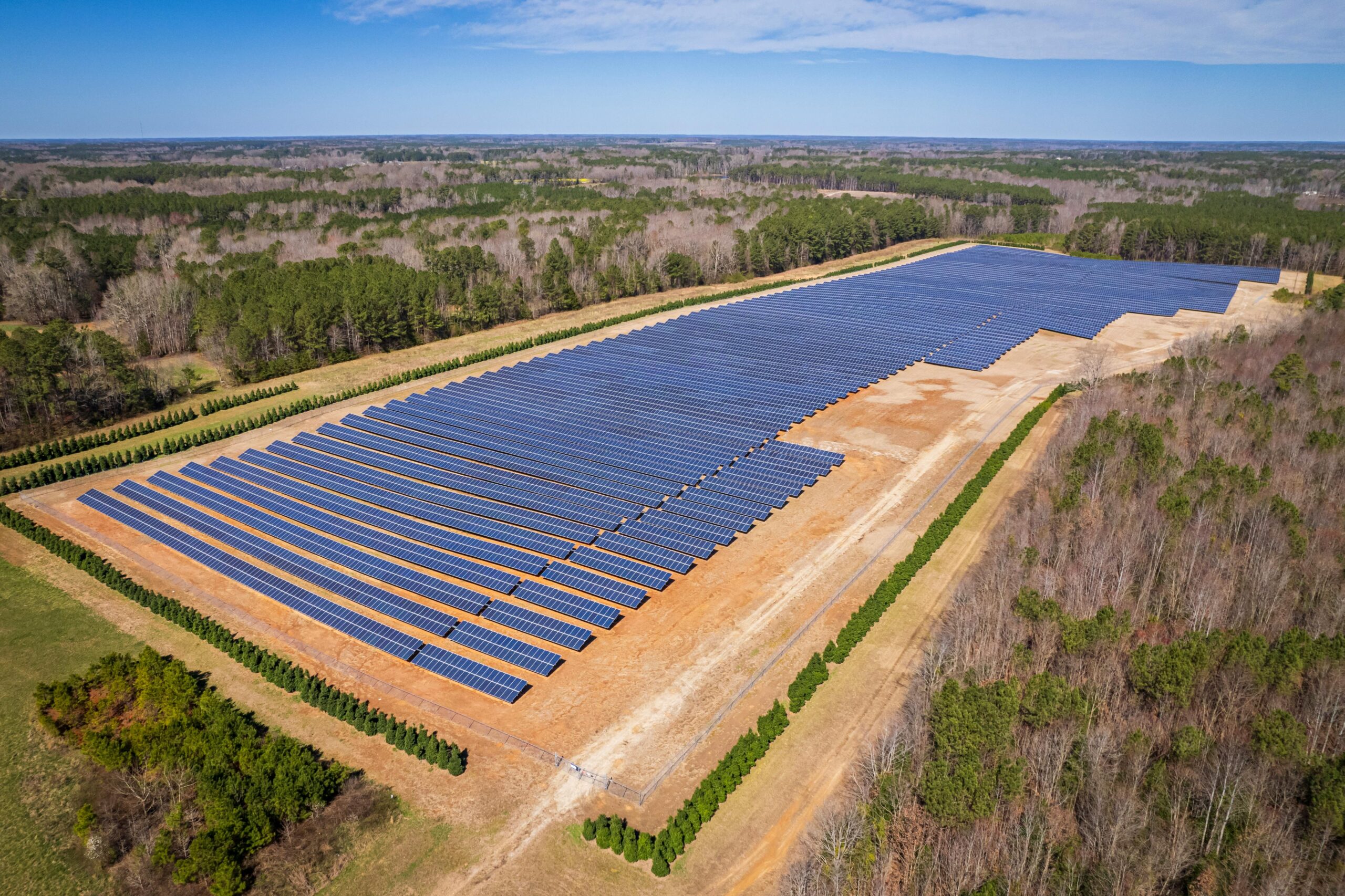
These advanced solar technologies represent more than incremental improvements to existing systems—they enable fundamentally new approaches to energy generation and distribution. Bifacial technology increases the energy density of solar farms, generating more power from the same land footprint. This characteristic becomes crucial as the most favorable solar development sites are utilized and projects move to less optimal locations.
Transparent solar technology could eventually transform cities from energy consumers to energy producers. The vast glass surfaces in urban areas represent an enormous untapped resource. As transparent solar efficiency improves and costs decline, building-integrated generation could supply significant portions of urban electricity demand, reducing transmission losses and infrastructure requirements.
The combination of these technologies with energy storage systems, smart grids, and demand response capabilities creates comprehensive solutions for sustainable energy systems. Advanced solar generation technologies form a critical foundation for the decarbonized energy infrastructure necessary to address climate change while meeting growing electricity demand.
The revolution in solar power through bifacial and transparent technologies demonstrates that renewable energy innovation continues accelerating. These advances are making solar energy more efficient, more versatile, and more economically attractive than ever before. As manufacturing scales up, costs continue declining, and performance improves, these technologies will play increasingly central roles in the global transition to sustainable energy. The solar revolution isn’t just continuing—it’s accelerating, bringing us closer to a future powered entirely by clean, abundant sunlight captured more effectively than we ever thought possible. ☀️