
The global energy landscape is undergoing a profound transformation as renewable technologies converge with intelligent storage solutions. Hybrid solar power systems represent the cutting edge of this revolution, seamlessly integrating photovoltaic generation with advanced battery storage to create resilient, efficient, and sustainable energy ecosystems that promise to reshape how we power our world.

As climate change accelerates and energy demands surge worldwide, the limitations of traditional grid infrastructure become increasingly apparent. Hybrid solar systems emerge as a compelling answer, combining the clean generation capabilities of solar panels with the reliability and flexibility of modern energy storage. This integration addresses the intermittency challenges that have historically plagued renewable energy while maximizing self-consumption and grid independence.
🌞 Understanding Hybrid Solar Power Systems: The Foundation of Energy Independence
Hybrid solar power systems represent an evolutionary leap beyond conventional photovoltaic installations. Unlike standard grid-tied or off-grid systems, hybrid configurations intelligently manage multiple energy sources and storage mechanisms to optimize power availability, cost-efficiency, and environmental impact. These sophisticated systems typically incorporate solar panels, inverters with hybrid capabilities, battery storage units, and smart energy management software that orchestrates the entire ecosystem.
The core advantage of hybrid systems lies in their operational flexibility. During peak sunlight hours, solar panels generate electricity that can simultaneously power household loads, charge battery banks, and export surplus energy to the grid when economically advantageous. As evening approaches and solar production diminishes, the system seamlessly transitions to battery power, avoiding expensive peak-rate electricity purchases from utility providers. This intelligent energy choreography maximizes financial returns while minimizing carbon footprints.
Modern hybrid inverters serve as the intelligent heart of these systems, featuring multiple input channels for solar arrays, battery connections, and grid interfaces. Advanced maximum power point tracking algorithms ensure optimal energy harvest from solar panels under varying weather conditions, while sophisticated battery management systems protect storage units from overcharging, deep discharge, and thermal stress that could compromise longevity.
Key Components Driving Hybrid System Performance
The effectiveness of hybrid solar installations depends critically on component selection and system design. High-efficiency monocrystalline or bifacial solar panels capture maximum sunlight, with performance coefficients exceeding 20% in premium modules. Hybrid inverters must handle bidirectional power flow with minimal conversion losses, typically operating at efficiency levels above 97% to preserve valuable generated energy.
Battery technology selection significantly influences system economics and performance characteristics. Lithium-ion variants, particularly lithium iron phosphate (LiFePO4) chemistries, dominate residential and commercial installations due to their superior cycle life, depth-of-discharge capabilities, and declining costs. These batteries commonly deliver 6,000 to 10,000 charge cycles at 80% depth of discharge, translating to operational lifespans exceeding fifteen years with proper thermal management.
⚡ Storage Integration: Solving the Intermittency Challenge
Energy storage represents the critical enabler that transforms solar power from an intermittent resource into a dependable baseload alternative. Without storage, solar installations remain vulnerable to production variability caused by weather fluctuations, seasonal changes, and the predictable day-night cycle. Battery integration fundamentally alters this equation, creating temporal flexibility that decouples generation from consumption.
The economic case for storage integration strengthens as utility rate structures evolve toward time-of-use pricing models. By storing inexpensive midday solar generation for evening consumption during peak rate periods, hybrid system owners can achieve electricity cost reductions exceeding 70% compared to conventional grid-only scenarios. Additionally, many regions offer demand charge reduction opportunities for commercial installations, where battery discharge during peak demand periods can yield substantial monthly savings.
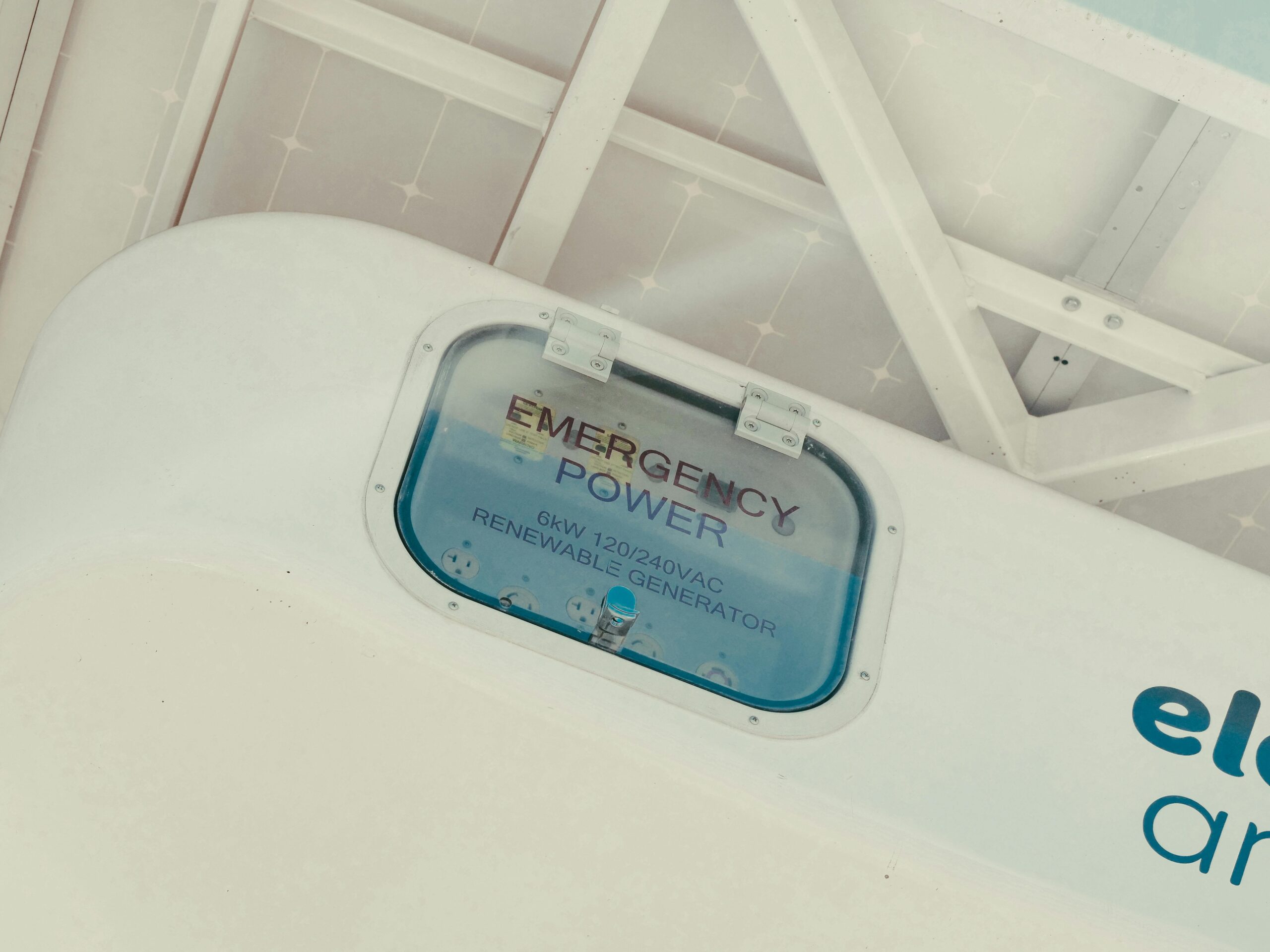
Beyond financial considerations, storage integration provides invaluable energy security during grid disturbances. While traditional grid-tied solar systems shut down during power outages for safety reasons, hybrid systems with appropriate backup configurations maintain critical loads during grid failures. This resilience capability carries particular significance in regions experiencing increasing grid instability, extreme weather events, or infrastructure vulnerability.
Sizing Storage Capacity for Optimal Performance
Determining appropriate battery capacity requires careful analysis of consumption patterns, solar production profiles, and economic objectives. Undersized storage limits self-consumption potential and backup capabilities, while excessive capacity inflates upfront investment without proportional returns. Most residential installations benefit from storage capacity equivalent to 50-100% of daily electricity consumption, though specific circumstances may justify alternative sizing approaches.
Commercial and industrial applications often employ different sizing methodologies focused on demand charge reduction, power quality improvement, or backup power duration requirements. Sophisticated energy modeling software simulates system performance across various configurations, considering historical weather data, consumption patterns, and utility rate structures to identify optimal storage capacity.
🔧 Seamless Integration Technologies: Making Hybrid Systems Work
The “seamless” aspect of modern hybrid solar systems stems from advanced control technologies that manage complex energy flows without user intervention. Intelligent energy management systems continuously monitor solar production, battery state of charge, grid conditions, consumption patterns, and electricity pricing to make millisecond-level decisions optimizing system performance against predefined priorities.
Machine learning algorithms increasingly enhance these control systems, developing predictive models that anticipate consumption patterns and weather conditions. By forecasting tomorrow’s solar production and household demand, these systems optimize today’s charging and discharging strategies. This predictive capability proves particularly valuable in regions with volatile electricity pricing or limited grid export opportunities.
Communication protocols and interoperability standards facilitate integration among components from different manufacturers. Modbus, CAN bus, and proprietary communication standards enable real-time data exchange between solar inverters, battery management systems, energy monitors, and facility management platforms. Open standards like SunSpec Alliance specifications promote ecosystem development and consumer choice by reducing vendor lock-in concerns.
Grid Services and Virtual Power Plant Participation
Aggregated hybrid solar systems increasingly participate in grid services markets, providing frequency regulation, voltage support, and demand response capabilities that enhance grid stability while generating additional revenue streams for system owners. Virtual power plant platforms coordinate thousands of distributed hybrid installations, effectively creating utility-scale resources from residential and commercial systems.
These aggregation platforms leverage cloud connectivity and remote control capabilities built into modern hybrid inverters, dispatching stored energy during peak demand periods or grid stress events. Participants receive compensation for their flexibility, creating win-win scenarios where distributed resources support grid reliability while improving project economics for individual system owners.
💰 Economic Considerations: Investing in Hybrid Solar Infrastructure
The financial viability of hybrid solar installations has improved dramatically as component costs decline and electricity rates escalate. Residential systems in favorable markets now achieve payback periods between five and eight years, with total ownership costs substantially below grid-only alternatives over typical 25-year system lifespans. Commercial installations often demonstrate even more compelling economics due to higher electricity rates and additional value streams like demand charge reduction.
Government incentives significantly influence project economics across many jurisdictions. Federal investment tax credits, state-level rebates, accelerated depreciation schedules, and feed-in tariffs can reduce effective system costs by 30-50%, dramatically improving financial returns. However, incentive landscapes vary considerably by location and evolve over time, requiring careful analysis during project planning phases.
Financing mechanisms have evolved to reduce upfront cost barriers. Solar loans, power purchase agreements, and lease structures enable system adoption without substantial capital outlays, though ownership structures influence available incentives and long-term economics. Careful comparison of financing alternatives against specific financial situations ensures optimal value capture.
Total Cost of Ownership Analysis
Comprehensive financial evaluation extends beyond initial installation costs to encompass maintenance expenses, component replacement schedules, performance degradation, and opportunity costs of capital deployment. Solar panels typically degrade 0.5-0.8% annually, while battery capacity fades more rapidly, potentially requiring replacement after 10-15 years depending on chemistry and usage patterns.
Maintenance requirements for hybrid systems remain minimal compared to conventional generation technologies. Periodic inverter servicing, battery health monitoring, and panel cleaning in dusty environments constitute the primary ongoing expenses. Most quality installations require minimal intervention throughout their operational lifespans, contributing to favorable total ownership economics.
🌍 Environmental Impact: Quantifying Sustainability Benefits
The environmental case for hybrid solar systems extends well beyond simple carbon emission reductions. Lifecycle assessments demonstrate that modern photovoltaic installations achieve energy payback within 1-3 years, generating clean electricity for two decades beyond their embedded energy investment. When coupled with storage enabling higher renewable penetration across broader grid systems, hybrid installations accelerate the transition away from fossil fuel generation.
Carbon footprint reductions from typical residential hybrid systems range from 3-8 tons of CO2 annually, equivalent to removing a conventional vehicle from operation. Scaled across millions of installations, these distributed systems collectively achieve emissions reductions rivaling major centralized renewable projects while enhancing grid resilience through decentralization.
Material sustainability considerations increasingly influence component selection and system design. Responsible manufacturers prioritize recyclable materials, conflict-free mineral sourcing, and end-of-life recovery programs that minimize environmental impacts. Battery recycling technologies continue advancing, with emerging processes recovering over 95% of valuable materials from spent lithium-ion cells for reintroduction into manufacturing supply chains.
🚀 Future Innovations: What’s Next for Hybrid Solar Technology
The trajectory of hybrid solar technology points toward increased intelligence, improved performance, and declining costs. Emerging battery chemistries promise higher energy densities, faster charging capabilities, and enhanced safety profiles. Solid-state batteries, sodium-ion technologies, and advanced lithium variants currently progressing through commercialization pipelines may revolutionize storage economics within the coming decade.
Artificial intelligence integration will deepen, with systems learning household patterns, predicting equipment maintenance needs, and automatically optimizing performance against evolving utility rate structures. Blockchain-enabled peer-to-peer energy trading platforms may emerge, allowing hybrid system owners to directly buy and sell electricity with neighbors, bypassing traditional utility intermediation.
Vehicle-to-home integration represents another frontier, with electric vehicles serving as mobile storage assets that supplement stationary batteries. Bidirectional charging infrastructure enables EVs to discharge stored energy during peak demand periods or grid outages, multiplying the effective storage capacity available to hybrid solar installations. This convergence of transportation and building energy systems creates synergies that enhance the value proposition of both technologies.
Policy and Regulatory Evolution
Regulatory frameworks continue adapting to distributed energy resource proliferation. Progressive jurisdictions implement policies promoting hybrid system adoption through streamlined permitting, fair grid export compensation, and storage incentive programs. Conversely, some utilities pursue regulatory changes perceived as protective of traditional business models, potentially slowing hybrid system deployment through connection charges, reduced export rates, or restrictive technical requirements.
Advocacy for equitable distributed energy policies remains crucial for maximizing societal benefits from hybrid solar technology. Ensuring access across socioeconomic demographics, preventing discriminatory grid connection barriers, and establishing fair compensation mechanisms for grid services provided by hybrid systems will determine whether these technologies achieve their transformative potential.
🏡 Implementing Your Hybrid Solar Journey: Practical Considerations
Embarking on hybrid solar adoption requires careful planning, reputable contractor selection, and realistic expectation setting. Comprehensive site assessments evaluate solar resource availability, roof structural adequacy, electrical infrastructure capacity, and shading obstacles that might compromise system performance. Detailed consumption analysis identifies usage patterns informing optimal system sizing and configuration.
Contractor credentials warrant thorough verification, including licensing status, insurance coverage, manufacturer certifications, and customer references. Quality installations from experienced professionals minimize commissioning issues, ensure warranty validity, and optimize long-term system performance. While cost comparisons across multiple quotes provide valuable market intelligence, lowest-price selection often proves penny-wise and pound-foolish given the long-term nature of these investments.
Permit acquisition, utility interconnection processes, and inspection requirements vary substantially by jurisdiction. Experienced contractors navigate these administrative requirements efficiently, though timelines can extend several weeks to months in bureaucratically complex regions. Patience during approval processes prevents costly mistakes from premature installation attempts.
Monitoring and Optimization Post-Installation
Modern hybrid systems provide extensive monitoring capabilities through smartphone apps and web portals displaying real-time generation, consumption, storage status, and system health metrics. Regular monitoring enables early detection of performance anomalies, optimization of consumption patterns for maximum self-sufficiency, and verification that systems deliver projected financial and environmental benefits.
Many systems offer configurable operating modes balancing priorities like maximum self-consumption, backup reserve maintenance, time-of-use optimization, or grid service participation. Understanding these options and adjusting settings as circumstances evolve ensures continued alignment between system operation and owner objectives.
Building Tomorrow’s Energy Landscape Today
Hybrid solar power systems with integrated storage represent far more than incremental improvements to existing renewable technologies. They constitute fundamental building blocks for reimagined energy systems characterized by decentralization, resilience, sustainability, and consumer empowerment. As costs continue declining and capabilities expand, these systems transition from niche applications to mainstream solutions appropriate for diverse circumstances.
The convergence of mature photovoltaic technology, rapidly advancing storage solutions, and increasingly sophisticated energy management software creates unprecedented opportunities for individuals, businesses, and communities to take control of their energy futures. By generating, storing, and intelligently managing clean electricity, hybrid solar adopters simultaneously advance environmental objectives, enhance energy security, and capture substantial economic value.
The revolution in energy is not merely technological but fundamentally transformative, redistributing power generation from centralized utilities to millions of distributed producers. This democratization of energy production carries profound implications for economic structures, environmental outcomes, and societal resilience. Hybrid solar systems serve as the practical vehicles through which this transformation manifests in communities worldwide, one installation at a time building the sustainable energy future our planet urgently requires.