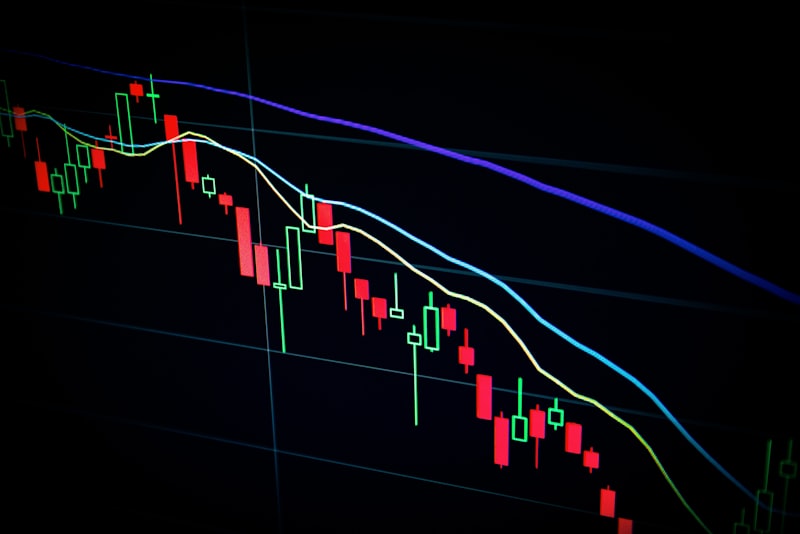
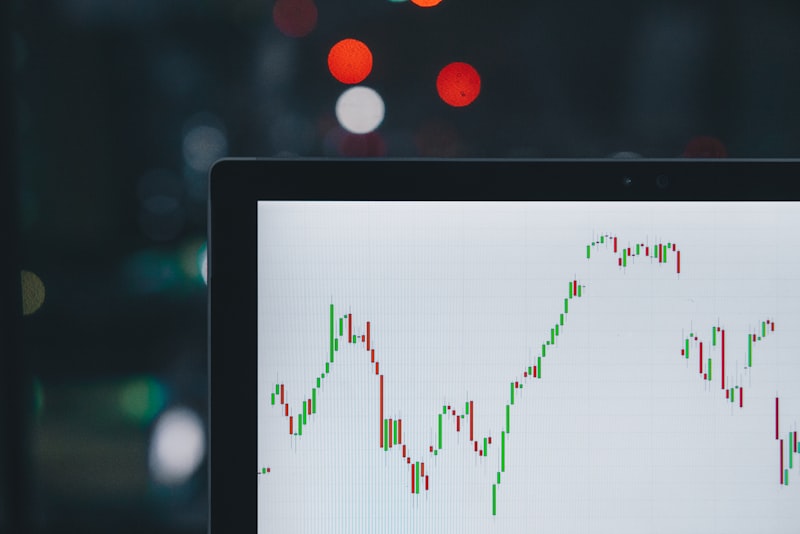
There is a version of investing that looks like a sport: charts, tickers, hot opinions, the constant search for the next big winner. It is exciting, it fills a lot of airtime, and for most people it quietly underperforms a far more boring approach — buying the whole market through an index fund and then mostly doing nothing.
This is not a fringe idea. It is the strategy that a large share of professional research, and many of the most respected investors, point ordinary people toward. Here is why.
What an index actually is#
A market index is just a list. The S&P 500, for example, is a list of about five hundred of the largest companies in the United States. An index is a way of summarising "the market" into a single number you can track over time.
You cannot buy an index directly — it is a measurement, not a product. What you can buy is an index fund: a fund that holds the companies in an index, in roughly the same proportions. When you put money in, you are buying a sliver of all of them at once.
So instead of betting on whether one company will do well, you are betting that the broad market — hundreds or thousands of businesses, constantly competing and innovating — will be worth more in the future than it is today. Historically, over long periods, that bet has paid off.
Why low cost is the quiet superpower#
Every fund charges a fee, usually expressed as an annual percentage of your money, called the expense ratio. It sounds trivial. It is not.
A fund charging one percent a year does not cost you one percent. It costs you one percent every year, compounding, on a growing balance, for decades. Over an investing lifetime, the gap between a fund charging 0.05% and one charging 1% can quietly eat a large share of your final wealth — not because the expensive fund performs worse at picking, but simply because it takes more off the top, year after year.
This is why index funds matter so much. Because they are not trying to beat the market — just to match it — they can be run extremely cheaply. Low fees are one of the only things in investing you can control and very nearly guarantee.
You cannot control what the market does next year. You can control how much you pay to participate in it. So control that.
Diversification, in plain terms#
Putting all your money in one company is exciting right up until that company stumbles. Diversification is the unglamorous insurance against that: spread your money across many companies, and no single failure can ruin you.
An index fund diversifies for you, automatically. If one company in the index collapses, it is a small fraction of your holding, and others are growing at the same time. You stop trying to find the one winner and instead own the whole field. You give up the dream of a lottery ticket in exchange for a much higher chance of a good, steady outcome.
The part nobody warns you about#
Here is the uncomfortable secret: the mechanics of index investing are easy. Open an account, choose a low-cost, broad fund, set up a regular automatic contribution. You could learn the whole process in an afternoon.
The hard part is behaviour. Markets fall, sometimes sharply, and when they do, every instinct screams at you to sell and "wait until things calm down." Investors who follow that instinct tend to sell low and buy back high — locking in losses and missing the recovery that follows.
The boring strategy works precisely because it removes those decisions. You contribute on a schedule, in good times and bad, and you let the broad market do the work over years and decades. The discipline is not in choosing cleverly. It is in not interfering.
A sensible way to start#
You do not need a large sum to begin. A small, regular, automatic contribution does two things: it gets your money working sooner, and it builds the habit that matters far more than the amount. Adding money steadily through ups and downs — rather than trying to guess the perfect moment — also means you buy more shares when prices are low and fewer when they are high, without having to predict anything.
As your contributions grow, resist the temptation to tinker. Checking your balance every day will not improve your returns; it will only test your nerves. Set the plan, automate it, and give it the one ingredient it genuinely needs: time.
Index funds will not make you rich next year. They are not designed to. They are designed to let an ordinary person, with an ordinary income and no special talent for picking stocks, capture the long, slow, powerful growth of the entire market — and to do it cheaply. That is not a flashy promise. It is a durable one.
This article is general education, not investment advice. All investing involves risk, including the possible loss of money. Consider your own situation and, if needed, speak with a licensed adviser.